
When Anxiety Makes You Avoid People: Gentle Steps Back Into Connection
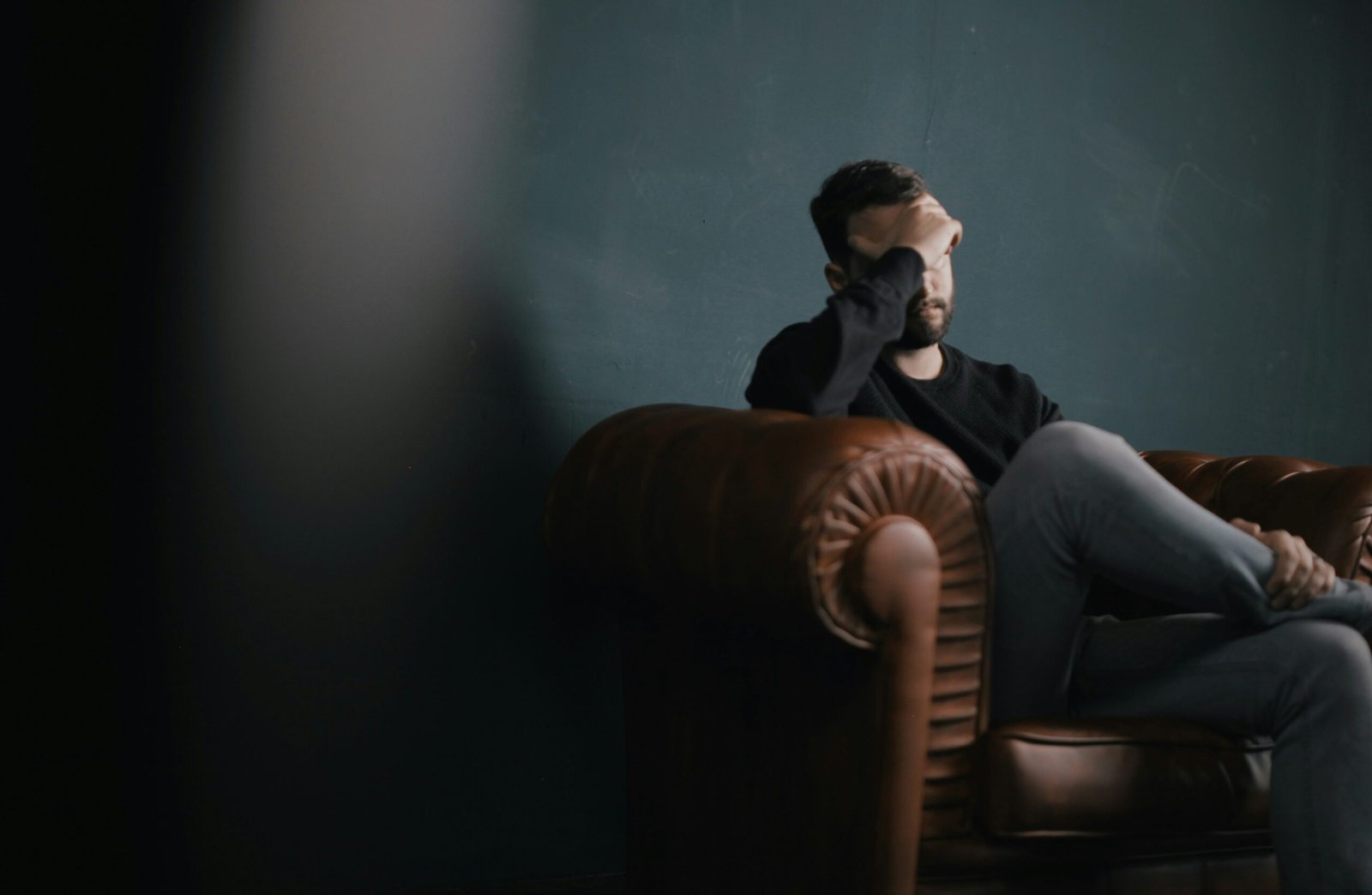
Anxiety can profoundly impact an individual's ability to connect with others and participate fully in everyday life. For many people, anxiety extends beyond occasional nervousness and becomes a persistent barrier influencing relationships, work, education, and overall well-being. One of the most common ways anxiety maintains its hold is through avoidance.
Avoidance often begins as an attempt to reduce discomfort. Declining an invitation, postponing difficult conversations, or avoiding anxiety-triggering situations may provide immediate relief. However, over time, these patterns reinforce fear, increase isolation, and limit opportunities for meaningful connection and personal growth.
Fortunately, anxiety and avoidance are highly treatable through evidence-based interventions, healthy coping strategies, and gradual re-engagement with feared situations.
Understanding the Cycle of Avoidance
Avoidance is a natural response to perceived threat. When a situation triggers anxiety, the nervous system activates a fight, flight, or freeze response. In social situations, this may look like avoiding conversations, declining invitations, remaining silent in group settings, or withdrawing from relationships.
Although avoidance provides temporary relief, it unintentionally strengthens anxiety over time. When an anxiety-provoking situation is avoided, the brain never learns that the feared outcome may not occur or that discomfort can be tolerated.
This process creates a self-perpetuating cycle:
Over time, this cycle can significantly reduce quality of life.
How Social Anxiety Affects Daily Life
Social anxiety involves fear of judgment, embarrassment, rejection, or negative evaluation from others. This fear may impact:
Many individuals recognize that their fears may be exaggerated or unlikely, yet still feel unable to overcome the intense emotional and physical reactions accompanying social situations.
Gradual Exposure: A Proven Path Forward
One of the most effective approaches for reducing anxiety-related avoidance is gradual exposure. Research consistently demonstrates that exposure-based interventions can help individuals retrain their brains to respond differently to feared situations.
Gradual exposure involves facing anxiety-provoking situations in manageable steps rather than avoiding them entirely. The goal is not to eliminate anxiety immediately, but to build confidence and demonstrate that discomfort can be tolerated.
### Starting with Small Steps
Successful exposure begins with low-pressure interactions that feel challenging but achievable:
### Building Confidence Over Time
As confidence grows, exposure can gradually expand to more challenging situations:
Progress is often gradual. Small successes should be recognized and celebrated.
The Importance of Self-Care in Anxiety Recovery
Addressing avoidance is most effective when combined with strategies supporting emotional and physical well-being.
### Breathing Techniques
Anxiety frequently produces physical symptoms such as rapid breathing, increased heart rate, and muscle tension. Slow, controlled breathing techniques can help calm the nervous system. Practices such as diaphragmatic breathing and the 4-7-8 breathing technique may be helpful during heightened anxiety periods.
### Mindfulness and Grounding
Mindfulness encourages focusing on the present moment rather than becoming consumed by future worries or past experiences.
Grounding techniques may include:
### Physical Activity
Regular exercise has been linked to improved mental health outcomes. Physical activity can reduce stress hormones, improve mood, increase energy, and support emotional resilience. Even moderate activities such as walking, stretching, or recreational sports offer meaningful benefits.
### Sleep and Nutrition
Sleep and nutrition play significant roles in mental health. Chronic sleep deprivation can worsen anxiety symptoms, while balanced nutrition supports healthy brain functioning and emotional regulation. Maintaining consistent routines around sleep, hydration, and meals contributes to improved emotional stability.
### Limiting Alcohol and Substance Use
Although alcohol and other substances may provide temporary relief from anxiety, they often worsen symptoms over time. Alcohol can increase anxiety through disrupted sleep, withdrawal effects, and changes in mood regulation.
Professional Treatment Options
While self-help strategies can be beneficial, professional treatment may be necessary when anxiety significantly interferes with daily functioning.
### Cognitive Behavioral Therapy (CBT)
CBT is one of the most widely researched and effective treatments for anxiety. This approach helps individuals:
### Exposure-Based Therapy
Exposure-based therapy helps individuals gradually confront feared situations while reducing avoidance and safety behaviors. Through repeated practice, anxiety typically decreases and confidence increases.
### Medication
For some individuals, medication may be a helpful component of treatment. Antidepressants and other medications can reduce symptom severity and improve participation in therapy and daily activities. Medication decisions should be discussed with a qualified medical provider.
The Role of Support
Recovery from anxiety rarely occurs in isolation. Supportive relationships provide encouragement, accountability, and emotional reassurance throughout the healing process.
Support may come from:
Seeking help is not a sign of weakness. It is often one of the most important and courageous steps toward recovery.
Progress Is Not Always Linear
Recovery from anxiety and avoidance is rarely a straight path. Most individuals experience periods of progress alongside occasional setbacks. Setbacks should not be viewed as failures but as opportunities to learn, adjust strategies, and continue moving forward.
Practicing self-compassion throughout the process is essential. Anxiety often thrives on self-criticism, making it important to acknowledge effort, celebrate progress, and recognize growth over time.
Moving Forward
Anxiety may influence how individuals experience the world, but it does not have to determine the course of their lives. Through gradual exposure, healthy coping strategies, professional support, and consistent practice, meaningful progress is possible.
Although overcoming avoidance requires courage, each step toward connection helps build confidence, expand opportunities, and create a more fulfilling life. Recovery is not about eliminating anxiety completely. It is about developing the skills, resilience, and confidence needed to move forward despite it.