
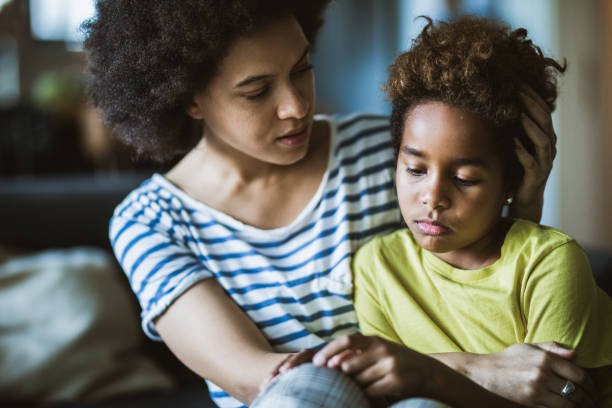
Grief is a profound emotional response to loss, and its impact on children can be both significant and complex. Unlike adults, children may lack vocabulary or emotional maturity to express their feelings about loss, potentially leading to confusion and distress. The loss of a loved one, relationship, or pet can trigger sadness, anger, guilt, and anxiety in children, manifesting through behavioral changes, academic struggles, and social difficulties.
Common Reactions to Grief in Children
Younger children may display regressive behaviors such as bedwetting or thumb-sucking for comfort. They often express grief through play, reenacting scenarios related to loss as a therapeutic outlet. Older children and adolescents may withdraw from friends and activities or express anger and frustration.
Children's grief typically comes in waves—intense sadness followed by periods of apparent normalcy—which can confuse both the child and caregivers.
Factors that Influence a Child's Grief Experience
A child's age and developmental stage significantly shape their grief response. Younger children may view death as temporary, while adolescents grasp its permanence but struggle with isolation.
The family environment plays a crucial role. Supportive families that discuss emotions openly foster healthier coping strategies, while families avoiding grief discussions may inadvertently teach emotional suppression. Cultural factors also influence how grief is expressed and processed.
Supporting Children Through Grief
Effective support involves open communication where children feel safe expressing feelings without judgment. Caregivers should actively listen and validate emotions while encouraging questions about death and loss.
Maintaining routines and stability provides comfort. Engaging in connection-building activities and allowing children to process grief at their own pace is essential.
Helping Children Express and Process Grief
Creative activities—drawing, writing, music—serve as powerful expression tools. Creating memory books about lost loved ones facilitates reflection while celebrating their lives.
Play therapy benefits younger children by allowing safe emotional exploration through toys and games, fostering resilience while providing manageable engagement with difficult emotions.
Recognizing When a Child Needs Professional Support
Professional intervention becomes necessary when children exhibit persistent behavioral changes lasting extended periods, including social withdrawal, academic decline, or increased irritability. Symptoms of depression or anxiety interfering with daily functioning or thoughts of self-harm require immediate professional help.
If grief appears unresolved after six months or longer, professional support can provide tailored coping strategies through evidence-based interventions designed for grieving children.
Grief and Developmental Stages in Children
**Early Childhood (ages 2-6):** Children struggle with understanding death's permanence and may engage in magical thinking. Caregivers should provide simple explanations while reassuring emotional responses.
**Middle Childhood (ages 7-12):** Children develop concrete understanding of death's finality but struggle with verbal expression. Structured creative activities and open discussions help process grief.
**Adolescents (ages 13-18):** They face unique challenges navigating identity formation alongside grief. Connection with peers experiencing similar losses proves particularly beneficial.
Creating a Safe and Open Environment for Children to Grieve
Caregivers should remain approachable and available for grief conversations while respecting the child's need for space. Establishing routines incorporating reflection moments normalizes discussions about loss.
Modeling healthy grieving behaviors and encouraging participation in memorial activities provides tangible processing frameworks. When emotions are acknowledged and validated, children navigate their grief journey with confidence and resilience.