
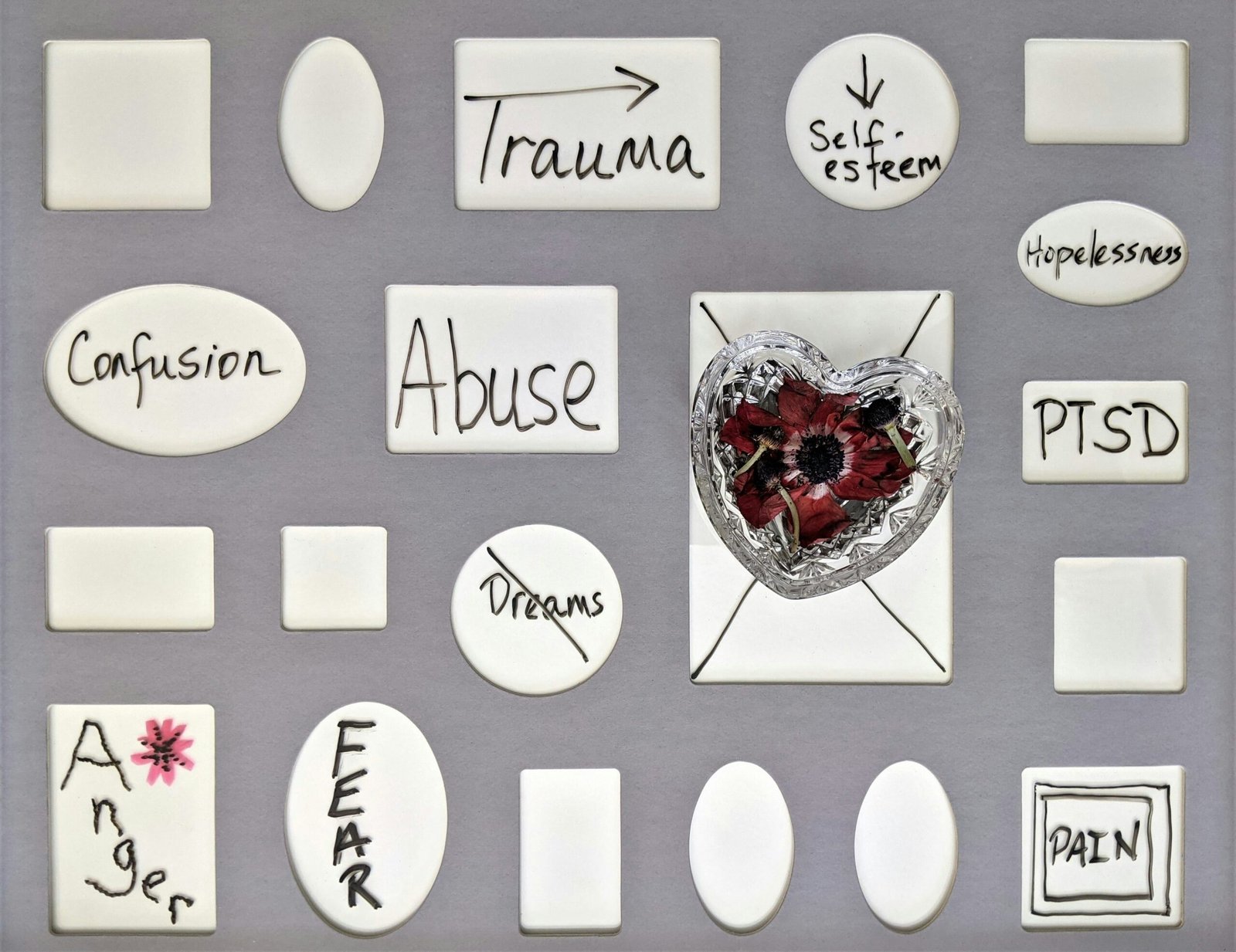
Childhood trauma encompasses "a range of distressing events that occur during the formative years," including physical, emotional, or sexual abuse, neglect, and exposure to domestic violence or substance abuse. The impact affects both immediate psychological well-being and long-term development throughout adulthood.
Research demonstrates that "early adverse experiences can alter brain development, affect emotional regulation, and lead to behavioral issues." Understanding trauma's complexity is essential for mental health professionals and caregivers seeking effective intervention.
Types of Childhood Trauma
Childhood trauma manifests in various forms. Physical abuse involves intentional harm or injury. Emotional abuse includes "verbal belittlement, manipulation, or constant criticism," eroding self-esteem without visible scars.
Neglect occurs "when a caregiver fails to provide for a child's basic needs, including food, shelter, medical care, and emotional support." Exposure to domestic violence or substance abuse creates environments "rife with fear and instability."
The Long-Term Effects of Childhood Trauma
Long-term effects profoundly influence various life aspects into adulthood. Individuals who experienced significant trauma face higher risk for developing depression, anxiety, and post-traumatic stress disorder (PTSD), manifesting as emotional dysregulation, relationship challenges, and identity struggles.
Additionally, many carry their experiences forward through "maladaptive coping mechanisms such as substance abuse or self-harm." Unaddressed trauma can perpetuate cycles as individuals repeat childhood-learned patterns.
Physical Health Consequences of Childhood Trauma
The repercussions extend beyond mental health into physical well-being. Studies establish links between early adversity and chronic conditions including heart disease, obesity, diabetes, and autoimmune disorders.
"The stress response triggered by traumatic experiences can lead to chronic inflammation and other physiological changes that compromise overall health." Additionally, individuals may engage in unhealthy behaviors like smoking, excessive drinking, or poor diet as coping strategies, exacerbating physical health issues.
Mental Health Consequences of Childhood Trauma
Mental health consequences are "often profound and multifaceted." Children struggling with emotional regulation may develop heightened anxiety, depression, or mood swings. Many develop PTSD symptoms including flashbacks, nightmares, and hypervigilance.
As children transition to adulthood, ramifications may persist or intensify. Adults may experience "feelings of shame or guilt related to their past experiences" and struggle with trust in forming intimate relationships due to fears of abandonment or betrayal.
Relationship and Social Consequences of Childhood Trauma
Social and relational consequences significantly impact connection abilities. Many survivors struggle forming healthy relationships due to "trust issues stemming from their traumatic experiences," oscillating between intimacy fears and desperate connection needs.
In social settings, individuals may face challenges from feelings of inadequacy or social anxiety, withdrawing from interactions or engaging in alienating behaviors. This isolation perpetuates loneliness and despair, complicating healing journeys.
Coping Mechanisms and Maladaptive Behaviors
In response to trauma, individuals develop coping mechanisms serving as survival strategies. Some prove adaptive—seeking support or creative engagement—while others become maladaptive over time.
"Substance abuse is a common response among those who have experienced trauma; it provides temporary relief but ultimately exacerbates underlying issues." Self-harm and disordered eating often represent attempts to regain control when circumstances feel chaotic.
Seeking Help and Healing from Childhood Trauma
Reaching out for help represents a courageous healing step. Many hesitate due to shame or judgment fears; however, "healing is possible with the right support." Therapy provides safe spaces for processing experiences and developing tailored coping strategies.
Effective modalities include cognitive-behavioral therapy (CBT), eye movement desensitization and reprocessing (EMDR), and trauma-focused therapy, each offering distinct tools for processing memories and fostering resilience.
Breaking the Cycle of Trauma in Future Generations
Breaking cycles proves essential for fostering healthier futures. Children in trauma-marked environments risk perpetuating patterns without appropriate support and intervention.
Education empowers parents with developmental knowledge, enabling nurturing environment creation. Community-based programs promoting resilience and providing family resources help mitigate intergenerational trauma impact.
The Importance of Trauma-Informed Care
Trauma-informed care recognizes "the widespread impact of trauma on individuals' lives and emphasizes safety, trustworthiness, collaboration, empowerment, and cultural sensitivity." This approach creates environments where clients share experiences without re-traumatization fears.
Implementation requires ongoing training across mental health, education, and healthcare fields, fostering cultures of understanding and compassion supporting those navigating trauma-associated challenges.
Moving Forward from Childhood Trauma
Moving forward demands patience, resilience, and support. Although effects prove profound and lasting, "healing is possible through appropriate interventions and resources."
Breaking trauma cycles involves individual healing alongside collective family and community efforts fostering resilience. Prioritizing trauma-informed care and advocating systemic change creates environments equipping future generations with thriving tools despite adversity.