
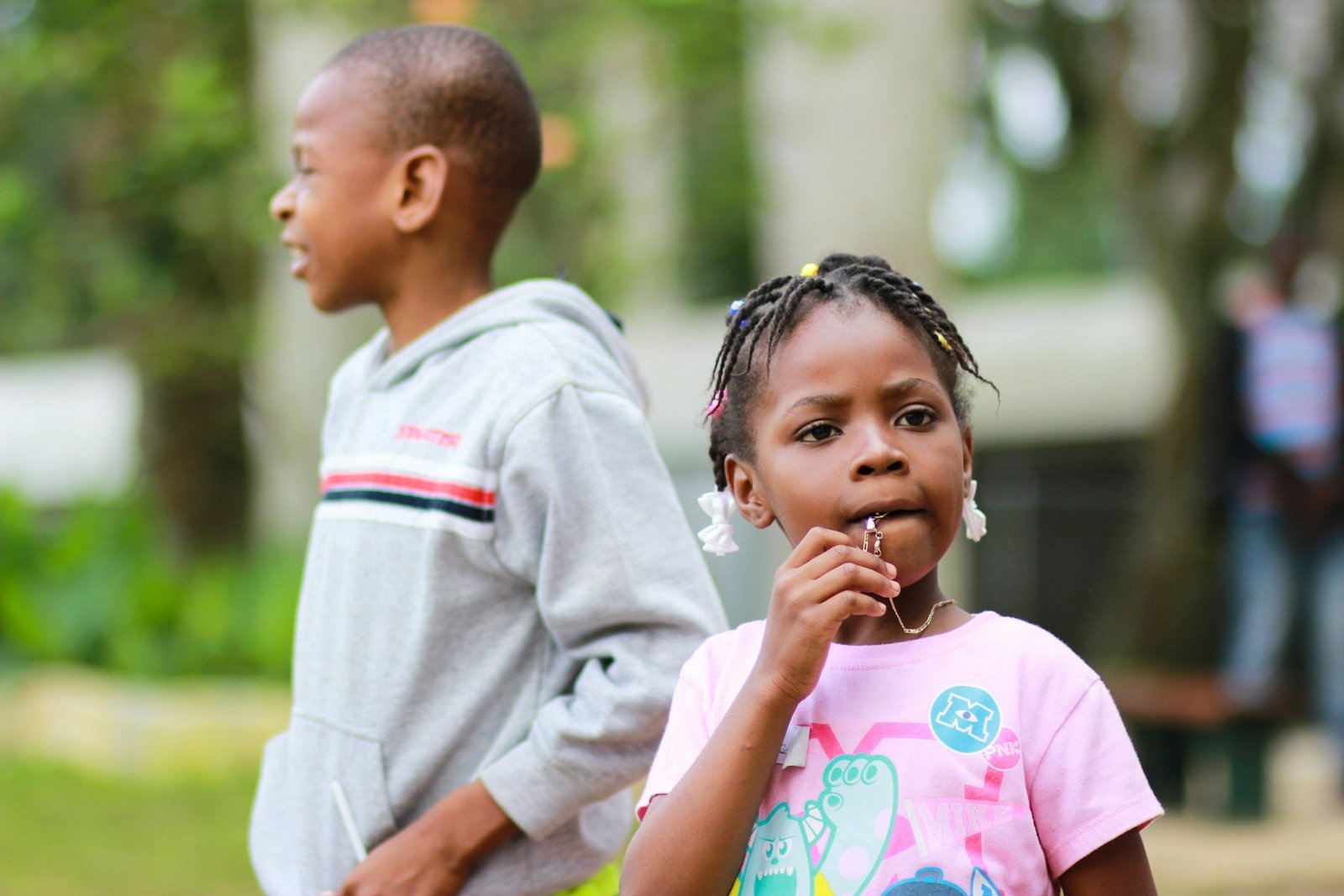
Sibling rivalry is "a phenomenon as old as time, weaving through the fabric of family life with a complexity that both challenges and shapes the bonds between brothers and sisters." Often dismissed as childhood squabbles, these rivalries carry profound effects extending beyond formative years.
Understanding Sibling Rivalry
At its psychological core, sibling rivalry stems from competition for limited resources—parental affection, time, or possessions. Children recognize fairness early on, and perceived imbalances trigger jealousy and competition. Personality differences, developmental transitions, and everyday interactions like sharing toys or academic achievements intensify these feelings.
This phenomenon evolves over time. As siblings mature and diverge, rivalry intensity typically diminishes, though early competitions can subtly influence self-perception and interpersonal interactions throughout life.
Short-term Effects of Sibling Rivalry
Immediate effects ripple through family dynamics, influencing children's social and emotional development. While healthy competition fosters negotiation and empathy skills, escalated rivalry can produce inadequacy, low self-esteem, and heightened anxiety. Children overshadowed by siblings may struggle identifying their worth, while dominant siblings risk developing entitlement.
Parental stress from managing conflicts strains parent-child relationships and partnership dynamics. Beyond the family, rivalry can manifest as competitive or aggressive peer interactions, potentially causing social isolation, though some children harness these negotiation skills effectively.
Long-term Effects of Sibling Rivalry
Long-term impacts embed themselves into adult identity, relationships, and mental health. Individuals consistently overshadowed may carry lifelong inadequacy feelings affecting career choices and relationships. Those who "often were victors in sibling competitions might struggle with perfectionism or an overreliance on external validation."
Childhood interaction patterns establish blueprints for future relationships. Highly competitive environments can replicate in adult friendships, romance, and workplaces through constant comparison and collaboration difficulty.
Positively, sibling rivalry can forge resilient adults skilled in negotiation and empathy. Some individuals experience role reversals, excelling in unexpected domains and valuing sibling diversity.
Coping Mechanisms and Resolutions
**For Parents:**
**For Adults:**
Conclusion
"Ultimately, the journey through sibling rivalry is not just about resolving conflicts but about forging bonds that can withstand the trials of life, enriching the family tapestry with patterns of love, respect, and enduring companionship."